
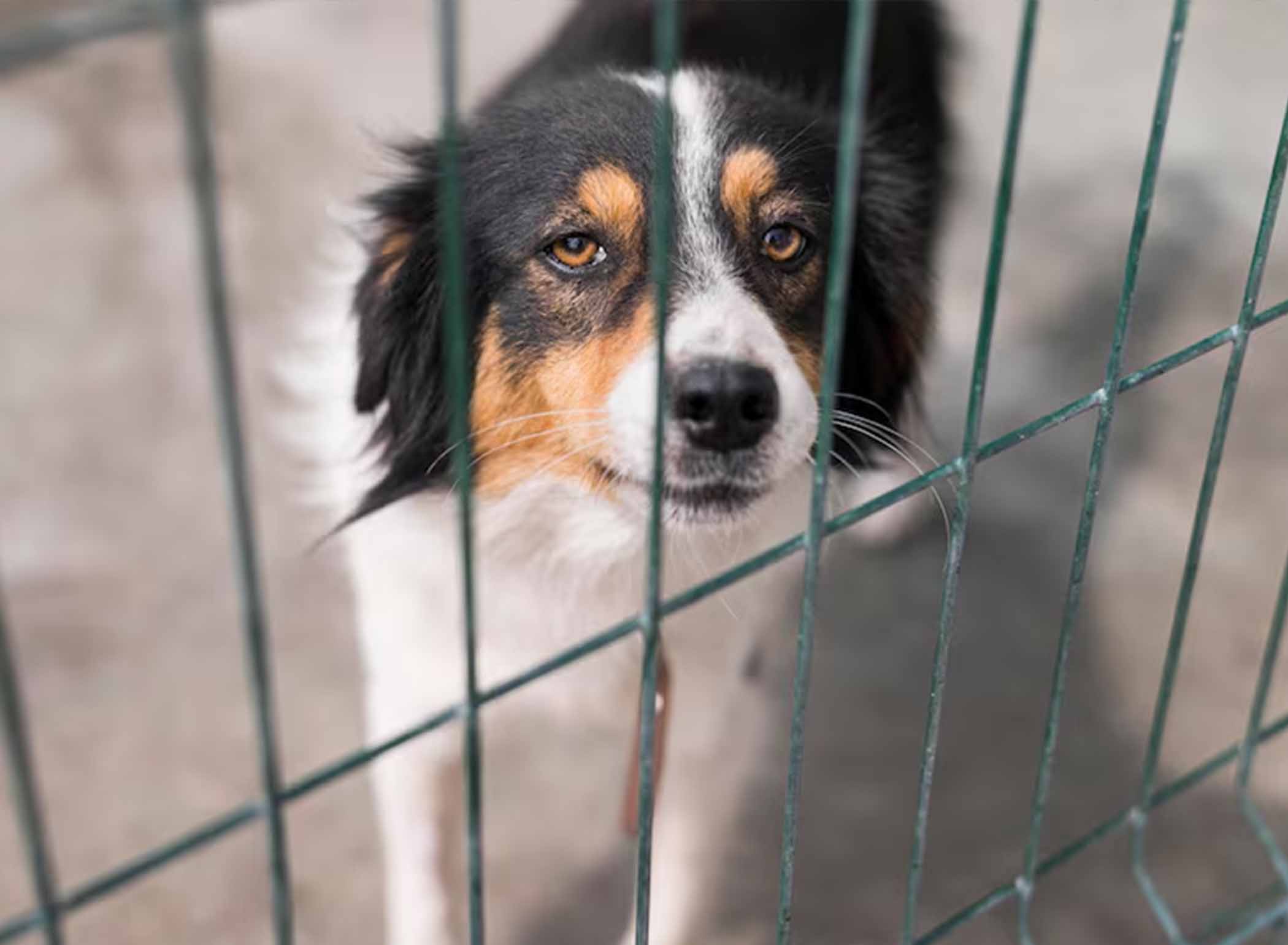
Being a Voice for the Voiceless: How to Recognize and Report Animal Cruelty
The Importance of Speaking Up for Animals
If you suspect someone you know is mistreating animals, please speak up. Animals cannot advocate for themselves, and they depend on compassionate individuals to recognize when they are suffering and to take action on their behalf. The most effective thing you can do when you suspect abuse or neglect is report your concerns to the appropriate enforcement authorities in your location. Being informed about how to recognize and report animal cruelty in your area is the first step in becoming an advocate for vulnerable animals.
Why Reporting Matters
Many people hesitate to report suspected animal cruelty for various reasons—they may be unsure if what they are witnessing truly constitutes abuse, they might worry about confrontation with neighbors or acquaintances, or they may believe someone else will report the situation. However, your report could be the critical intervention that saves an animal from continued suffering. Law enforcement and animal welfare agencies rely on reports from concerned citizens to identify and investigate cases of animal cruelty.
Understanding Your Role
As a witness to potential animal cruelty, your role is not to conduct an investigation or determine guilt—that responsibility belongs to law enforcement and animal control professionals. Your role is simply to report what you have observed so that trained authorities can assess the situation, conduct a proper investigation, and take appropriate action if warranted. You do not need to be absolutely certain that abuse is occurring before making a report; reasonable suspicion based on observable conditions is sufficient.
Where to Report Suspected Animal Cruelty
Reporting in New York City
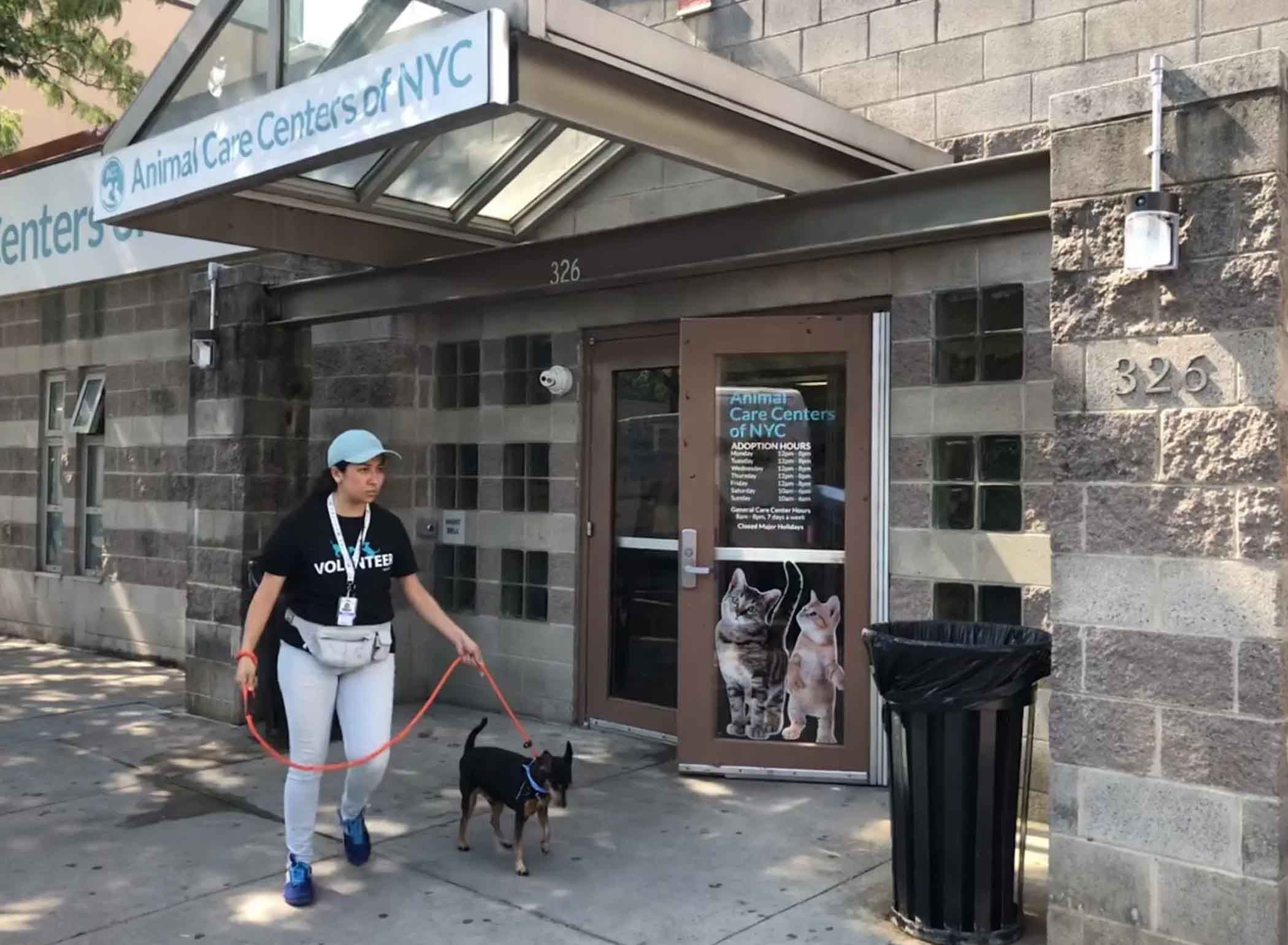
If you reside in New York City and want to report suspected animal abuse or neglect, please contact 311. This municipal hotline will connect you with the appropriate city agencies to handle your report. For crimes in progress where an animal is in immediate danger, call 911 to reach emergency services. Emergency dispatchers can send police officers to the scene immediately to assess the situation and intervene if necessary.
What to Expect When Calling 311
When you contact 311 to report animal cruelty concerns in New York City:
- Be prepared to provide the specific location where the suspected abuse is occurring
- Describe what you have observed in as much detail as possible
- Provide information about the type and number of animals involved
- Share any other relevant details such as how long the situation has been occurring
- You may be asked if you wish to remain anonymous or if you are willing to provide your contact information
- The operator will direct your report to the appropriate city agency for investigation
Reporting in Other Areas
For areas outside of New York City, the reporting process varies by jurisdiction. If you witness a crime in progress where an animal is in immediate danger, call 911 regardless of your location. Emergency situations require immediate law enforcement response.
For ongoing situations or concerns that do not constitute emergencies, contact the agency responsible for enforcing animal-related laws in the jurisdiction where you believe the abuse is occurring. This may be:
- Local Police Department: Many municipalities handle animal cruelty complaints through their police departments
- Animal Control: County or municipal animal control agencies often have jurisdiction over animal welfare complaints
- Local SPCA: In some areas, the Society for Prevention of Cruelty to Animals has law enforcement authority
- Humane Society or Animal Welfare Organization: Local humane organizations may have enforcement powers or work closely with law enforcement
- Sheriff's Department: In rural areas, the county sheriff may be the appropriate reporting contact
Finding the Right Agency to Contact
If you are unsure which agency to contact in your area, you can:
- Contact your local police department's non-emergency line and ask who handles animal cruelty complaints
- Call your municipal or county animal control and inquire about reporting procedures
- Visit online resources such as nationallinkcoalition.org, which provides information about reporting animal cruelty by state
- Contact your local government offices for guidance on the appropriate reporting channel
- Reach out to local animal welfare organizations, which can direct you to the proper authorities
How to Effectively Report Animal Cruelty
Gathering Information Before You Report
The more detailed and specific information you can provide to authorities, the more effectively they can respond to and investigate your report. Before making your report, try to gather the following information:
Location Details
- Exact street address if known, or as precise a location description as possible
- Description of the property (house color, distinguishing features, apartment number)
- Cross streets or nearby landmarks that help identify the location
- Whether the suspected abuse is occurring on private property, in a public space, or elsewhere
Animal Information
- Type of animal(s) involved (dog, cat, horse, livestock, etc.)
- Number of animals affected
- Physical description of the animal(s) including size, color, and breed if identifiable
- Observable physical condition of the animal(s)
- Behavior exhibited by the animal(s)
Description of Concerns
- Specific observations that led you to suspect abuse or neglect
- How long you have been observing these conditions
- Frequency of problematic behavior or conditions
- Whether the situation appears to be worsening
- Any direct observations of abusive acts
- Environmental conditions contributing to your concerns
Photographic Evidence
If you can safely and legally document the conditions you are reporting, photographs can be valuable evidence. However:
- Only take photographs from public property or areas where you have legal access
- Do not trespass on private property to obtain photographs
- Do not put yourself in danger to document conditions
- Include date and time stamps if possible
- Photograph multiple angles and distances to provide context
- Focus on visible conditions such as inadequate shelter, lack of water, injuries, or hazardous environments
Making the Report
When you contact the appropriate authority to make your report:
- Remain Calm and Factual: Present your observations calmly and objectively without emotional language or speculation
- Be Specific: Provide concrete details about what you observed rather than general statements
- Stick to Facts: Report what you have personally witnessed rather than hearsay or assumptions
- Ask About Next Steps: Inquire about what will happen next and what kind of timeline to expect
- Get a Report Number: Request a case or report number for future reference
- Provide Contact Information: Consider providing your contact information in case investigators need additional details, though anonymous reports are often accepted
- Document Your Report: Note the date, time, who you spoke with, and any report number provided
Following Up on Your Report
After making a report, you may wonder what happens next. Investigation timelines vary depending on the severity of the situation, available resources, and current caseload. You can:
- Contact the agency using your report number to check on the status of the investigation
- Continue to document any ongoing concerning conditions you observe
- Make additional reports if the situation worsens or if you observe new concerning behaviors
- Understand that confidentiality laws may limit what information authorities can share with you about their investigation
Understanding What Constitutes Animal Cruelty
Legal Definitions and Determinations
A finding of animal cruelty is ultimately a legal determination that depends on the specific laws in your jurisdiction. Animal protection laws vary significantly by state, county, and municipality, with different standards and definitions of what constitutes cruelty. However, animal cruelty generally falls into two broad categories: intentional acts of harm inflicted upon an animal, and acts of neglect, such as failing to provide an animal with necessary food, water, shelter, or veterinary care.
Ultimately, determining whether someone committed an act of cruelty against an animal depends upon a complete investigation by the appropriate authorities. As a concerned citizen, you do not need to make legal determinations—that is the role of trained investigators, animal control officers, and prosecutors. Your responsibility is simply to report concerning conditions or behaviors so that professionals can assess the situation.
Categories of Animal Cruelty
Intentional Acts of Harm
Intentional cruelty involves deliberate acts that cause suffering, injury, or death to an animal. These acts demonstrate a conscious decision to harm an animal and may include:
- Physical violence such as beating, kicking, burning, or otherwise injuring an animal
- Torture or mutilation of animals
- Poisoning animals
- Animal fighting operations including dogfighting or cockfighting
- Sexual abuse of animals
- Intentional abandonment in conditions likely to cause suffering or death
- Killing animals in inhumane ways
- Using animals in cruel training methods involving pain or fear
Acts of Neglect
Neglect involves the failure to provide basic care necessary for an animal's health and wellbeing. While neglect may not involve intentional harm, it can cause tremendous suffering and may be prosecuted as animal cruelty. Forms of neglect include:
- Failure to provide adequate food resulting in starvation or malnutrition
- Failure to provide access to clean water
- Failure to provide adequate shelter from weather conditions
- Failure to provide necessary veterinary care for illness or injury
- Keeping animals in unsanitary conditions
- Hoarding situations where the number of animals exceeds the caretaker's ability to provide proper care
- Confinement in spaces too small for the animal's size and needs
- Tethering or chaining animals inappropriately or for extended periods
- Failure to provide social interaction and mental stimulation for social species
Recognizing Signs of Animal Cruelty
Physical Indicators of Abuse or Neglect
The following physical and environmental conditions can raise concerns of animal cruelty and warrant reporting:
Physical Condition of the Animal
- Extreme Thinness or Emaciation: Ribs, spine, and hip bones prominently visible with no body fat
- Visible Injuries: Untreated wounds, burns, cuts, or other injuries
- Fur or Skin Conditions: Severe matting, hair loss, skin infections, or parasite infestations
- Lameness or Difficulty Moving: Limping, reluctance to stand or move, or signs of pain during movement
- Discharge from Eyes or Nose: Signs of untreated illness or infection
- Swelling or Lumps: Untreated abscesses, tumors, or injuries causing swelling
- Overgrown Nails or Hooves: Severely overgrown causing difficulty walking or pain
- Collar Embedded in Skin: Collars that have grown into the neck due to never being adjusted as the animal grew
Behavioral Indicators
- Extreme Fear or Aggression: Cowering, trembling, or aggressive behavior toward people approaching
- Lethargy or Depression: Lack of normal activity, unresponsiveness to surroundings
- Self-Destructive Behavior: Excessive self-mutilation, tail chasing, or other abnormal repetitive behaviors
- Food or Water Seeking: Desperately seeking food or water, eating garbage, drinking from puddles
- Lack of Socialization: Extremely withdrawn or showing no interest in interaction
Environmental Conditions Indicating Neglect
Inadequate Shelter
- Animals kept outside without protection from extreme weather conditions
- Shelters that are too small for the animal to stand, turn around, or lie down comfortably
- Shelters in disrepair with holes, inadequate roofing, or structural damage
- No bedding or insulation in cold weather
- Shelters located in areas with standing water, mud, or waste
- No shade or protection from sun and heat in warm weather
Lack of Basic Necessities
- No visible access to food or empty food bowls for extended periods
- No access to water or water sources that are empty, frozen, or contaminated with feces or algae
- Living areas covered in feces, urine, or other waste
- Animals kept in areas with dangerous debris, sharp objects, or toxic substances
- Multiple dead animals on the property
Inappropriate Confinement
- Animals tethered with chains or ropes too short to allow normal movement
- Heavy chains or inappropriate restraints causing injury or preventing access to shelter, food, or water
- Animals kept in crates, kennels, or cages for extended periods without adequate space
- Too many animals confined in too small a space
- Animals confined in vehicles without ventilation or in extreme temperatures
Hoarding Situations
Animal hoarding is a complex form of neglect that often affects large numbers of animals. Signs of hoarding include:
- Unusually high number of animals on a property
- Strong odors of ammonia or feces emanating from the property
- Animals appearing in windows or visible in overwhelming numbers
- Property in severe disrepair with accumulation of waste
- Person claims to operate a rescue or sanctuary but conditions are poor
- Individuals who deny problems despite obvious evidence of inadequate care
Special Considerations and Situations
Distinguishing Between Cruelty and Poverty
Sometimes what appears to be neglect may result from a caretaker's lack of resources rather than intentional cruelty. While intentions matter morally, the law focuses on the animal's welfare regardless of the caretaker's circumstances. However, in cases where owners want to provide proper care but lack resources:
- Animal welfare organizations may offer assistance programs for food, veterinary care, or supplies
- Reporting can connect owners with resources they did not know were available
- Intervention may help animals while also helping struggling owners maintain their pets
- Community programs may provide solutions that benefit both animals and caretakers
Cultural and Educational Considerations
Different cultures and communities may have varying standards for animal care based on traditional practices or lack of education about modern animal welfare standards. In these situations:
- Education and outreach may be more effective than punitive measures
- Animal welfare organizations can provide culturally sensitive education
- Reporting can initiate conversations that lead to improved conditions
- Community-based approaches may achieve better outcomes than enforcement alone
Reporting Concerns About Neighbors or Acquaintances
Many people hesitate to report animal cruelty when the suspected abuser is someone they know. However:
- You can often make anonymous reports if you prefer
- Remember that your priority is the animal's welfare, not maintaining relationships
- Reporting allows professionals to assess the situation objectively
- Early intervention may prevent worsening conditions
- Your report may not be the only one—others may have similar concerns
What Happens After You Report
The Investigation Process
After you make a report, authorities will typically:
- Assess Priority: Determine urgency based on the severity of reported conditions
- Conduct Investigation: Visit the location to observe conditions and speak with the animal owner
- Document Findings: Photograph conditions, examine animals, and gather evidence
- Determine Violations: Assess whether conditions violate applicable animal welfare laws
- Take Action: Depending on findings, this might include education, warnings, citations, animal seizure, or criminal charges
- Follow Up: Monitor compliance with any requirements or orders issued
Possible Outcomes
Investigations can result in various outcomes depending on the severity and nature of the situation:
- Educational Intervention: Owner receives information about proper care and resources available
- Warning or Citation: Owner receives official notice of violations with requirements for improvement
- Compliance Monitoring: Authorities conduct follow-up visits to ensure conditions improve
- Animal Seizure: Animals are removed from the property if conditions are severe or owner is uncooperative
- Criminal Charges: In cases of serious abuse, criminal charges may be filed
- Referral to Services: Owner may be connected with resources such as veterinary care, food assistance, or mental health services
Why Some Reports May Not Result in Immediate Action
Sometimes reporters are frustrated when their reports do not result in immediate, dramatic intervention. Several factors may affect outcomes:
- Laws vary by jurisdiction, and what seems like abuse may not meet legal standards in that area
- Investigators may have limited authority depending on local laws
- Resources for enforcement may be limited, affecting response times
- Evidence standards for prosecution may not be met initially
- Improvement of conditions through education may be prioritized over punishment when appropriate
- Multiple reports over time may be needed to establish patterns and build cases
Supporting Animal Welfare Beyond Reporting
Community Involvement
Beyond reporting individual cases of cruelty, you can support animal welfare in your community through:
- Supporting Local Organizations: Volunteer or donate to animal shelters, rescues, and welfare organizations
- Advocating for Stronger Laws: Contact legislators about strengthening animal protection laws
- Educating Others: Share information about proper animal care and the importance of reporting abuse
- Offering Resources: Help connect people with assistance programs for pet food, veterinary care, and other services
- Fostering or Adopting: Provide homes for animals removed from abuse or neglect situations
- Supporting Prosecution: Attend court hearings in animal cruelty cases to show community concern
Prevention Through Education
Many cases of neglect result from lack of knowledge about proper animal care. Supporting educational initiatives helps prevent cruelty:
- Support school programs that teach children about responsible pet ownership
- Encourage community workshops on animal care basics
- Promote resources for first-time pet owners
- Share information about local low-cost veterinary services and assistance programs
- Participate in community outreach events focused on animal welfare
Emergency Situations: If you witness an animal in immediate danger or suffering from active abuse, call 911 immediately. Do not attempt to intervene physically if doing so would put you at risk, but ensure emergency services are contacted right away.
Important Reminder: Never put yourself in danger to help an animal. Do not trespass on private property, confront potentially dangerous individuals, or take actions that could result in harm to yourself. Always work through proper authorities who have the training and legal authority to intervene safely.
Finding Local Resources: If you need assistance finding the appropriate agency to contact in your area, visit nationallinkcoalition.org or contact your local police department's non-emergency line for guidance. Having the right contact information ready before you witness concerning situations allows for faster response when needed.
The Broader Impact of Reporting
The Link Between Animal Cruelty and Other Violence
Research has established strong connections between animal cruelty and other forms of violence including domestic violence, child abuse, and community violence. When you report animal cruelty, you may be:
- Identifying situations where children or vulnerable adults are also at risk
- Intervening in patterns of violence before they escalate
- Helping identify individuals who may benefit from mental health intervention
- Protecting community safety as well as animal welfare
Creating Cultural Change
Every report sends a message that animal cruelty is unacceptable in your community. Collective action creates cultural shifts:
- Communities become less tolerant of animal suffering
- Individuals think twice before mistreating animals
- Social norms shift toward higher standards of animal care
- Future generations grow up understanding that animal welfare matters
Overcoming Hesitation to Report
Common Concerns and Responses
"I might be wrong about what I'm seeing"
You do not need to be certain that abuse is occurring. Report your observations and let trained professionals investigate and make determinations.
"I don't want to get involved"
Your involvement ends with making the report. Authorities handle the investigation and any intervention required.
"It's none of my business"
Animal welfare is everyone's business. Animals depend on compassionate people to speak up when they cannot.
"Someone else will report it"
Others may be thinking the same thing. Your report could be the one that initiates action.
"I don't want to cause trouble for the owner"
Reporting creates opportunities for education, assistance, and improvement. Many cases resolve without serious consequences to owners who are willing to improve conditions.
"Reporting won't change anything"
You cannot know what impact your report will have. Every report is documented, and patterns can lead to action even if individual reports do not.
Conclusion: Being a Voice for Animals
Animals experiencing abuse or neglect cannot speak for themselves, make phone calls, or seek help. They depend entirely on compassionate humans who observe their suffering and take action. When you recognize signs of animal cruelty and report your concerns to appropriate authorities, you become a voice for the voiceless.
Reporting animal cruelty is not about judgment or punishment—it is about ensuring that all animals receive the basic care and humane treatment they deserve. Whether your report leads to education, intervention, or prosecution, you have played a crucial role in advocating for an animal's welfare.
Do not let hesitation, uncertainty, or discomfort prevent you from reporting suspected cruelty. The temporary discomfort of making a phone call is insignificant compared to the ongoing suffering of an animal in need. Your willingness to speak up could save a life, prevent future suffering, and contribute to a more compassionate community for all living beings.
Remember: if you suspect animal abuse or neglect, speak up. Report your concerns to the appropriate authorities. Be a voice for animals who have no voice of their own.




0 Comments