

Supporting Shelters, Communities and Animals: Understanding Animal Hoarding
Understanding Animal Hoarding
A Multifaceted Challenge
Animal hoarding occurs when an individual keeps more animals than they can properly and adequately provide care for. This challenging situation frequently involves intersecting concerns related to mental health, animal well-being, and community safety. The condition is characterized by a failure to meet even basic standards of food provision, cleanliness, appropriate housing, and medical attention—frequently leading to uncontrolled breeding, malnourishment, disease, and sometimes fatalities among the animals. In numerous instances, caretakers genuinely believe they are rescuing their animals and refuse to acknowledge their inability to meet fundamental care requirements.
Our Approach to Intervention
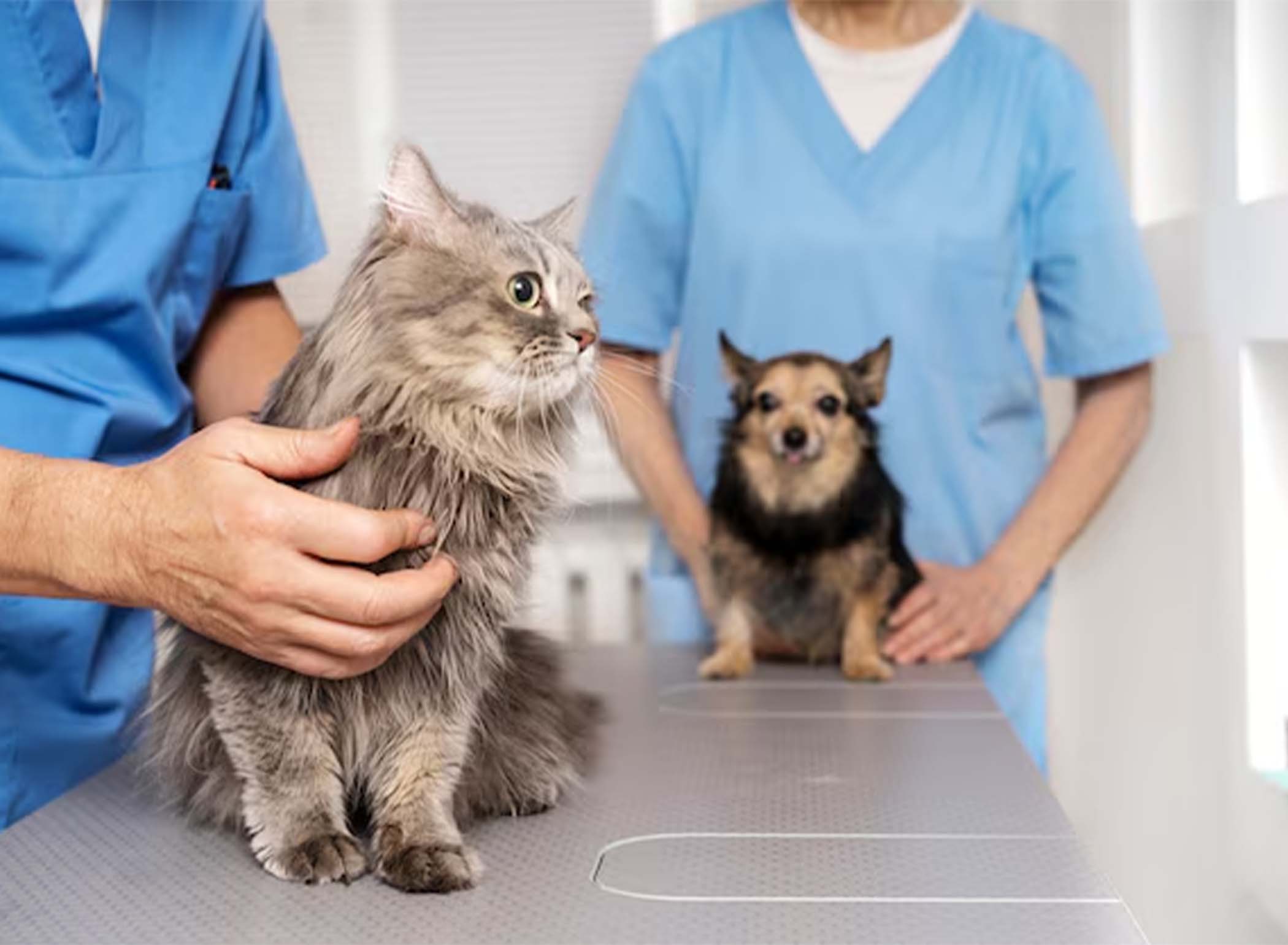
The ASPCA collaborates extensively with various social service organizations throughout New York City to deliver veterinary support including sterilization procedures, vaccinations, and additional assistance for animal owners. We also engage with pet guardians who may decide to rehome some of the animals in their care and assist them in providing appropriate care for the pets they retain.
In critical situations requiring law enforcement involvement, the ASPCA partners with local police departments and legal prosecutors to conduct rescues, provide care, and pursue accountability for affected animals. Our comprehensive support encompasses on-site rescue operations, emergency sheltering arrangements, investigative assistance, legal expertise, forensic analysis, medical treatment, behavioral rehabilitation, and when animals have been voluntarily surrendered or legally removed by court order, finding appropriate new homes for the animals affected.
The Scope of the Problem
Animal hoarding situations can vary dramatically in scale and severity. Some cases involve a few dozen animals, while others may include hundreds of creatures living in deplorable conditions. The animals commonly affected include dogs, cats, birds, and small mammals, though virtually any species can be involved. These situations often develop gradually over time, with well-intentioned individuals becoming overwhelmed as animal populations grow beyond their capacity to manage.
Warning Signs and Early Detection
Recognizing the indicators of animal hoarding can help communities intervene before situations become severe. Common warning signs include:
- An unusually large number of animals on a property
- Strong odors emanating from the residence
- Deteriorating condition of the home or property
- Animals appearing malnourished, sick, or unsocialized
- The individual's inability to provide accurate numbers of animals in their care
- Denial of problems despite obvious evidence
- Social isolation and reluctance to allow visitors
The Impact on Animal Welfare
Animals living in hoarding environments suffer tremendously. They typically lack access to clean water, nutritious food, and basic veterinary care. Living spaces become overwhelmed with waste, creating unsanitary and hazardous conditions. Animals may develop serious health issues including parasitic infections, respiratory problems, skin diseases, and behavioral disorders from lack of socialization and proper care. In the most severe cases, animals may be found deceased, having succumbed to neglect, starvation, or untreated medical conditions.
Supporting Recovery and Prevention
Addressing animal hoarding requires a compassionate, multi-disciplinary approach. Mental health professionals, social workers, veterinarians, animal welfare organizations, and legal authorities must work together to create sustainable solutions. Treatment plans for individuals involved in hoarding often include:
- Mental health counseling and ongoing therapy
- Education about appropriate animal care standards
- Monitoring and follow-up visits
- Connection to community resources and support systems
- In some cases, restrictions on future animal ownership
Community Resources and Support
Communities play a vital role in both preventing and addressing animal hoarding. Local animal control agencies, humane societies, and veterinary clinics can provide resources for pet owners struggling to care for their animals. Low-cost spay and neuter programs help prevent population growth, while pet food banks and financial assistance programs support families facing economic hardship. Early intervention services can help identify at-risk individuals before situations escalate to crisis levels.
Moving Forward with Compassion
Successfully resolving animal hoarding cases requires balancing animal welfare concerns with understanding and compassion for the humans involved. Many individuals who hoard animals genuinely care about them but lack the resources, knowledge, or mental capacity to provide appropriate care. By approaching these situations with empathy while maintaining firm standards for animal welfare, organizations can create positive outcomes that protect animals while also addressing the underlying issues affecting their guardians.
Need Help? If you suspect an animal hoarding situation in your community, contact your local animal control agency or humane society. Early reporting can prevent suffering and help both animals and their caretakers receive the assistance they need.




0 Comments