

Making a Difference: Comprehensive Guide to Supporting Animal Welfare Through Giving
The Power of Compassionate Giving
As a non-profit organization dedicated to animal welfare, operations depend entirely on donations from kindhearted people who care deeply about protecting animals from cruelty and neglect. Every contribution, regardless of size, plays a vital role in supporting comprehensive programs that rescue, protect, and improve the lives of animals across the nation. Your generosity makes it possible to continue this critical work and creates hope for countless vulnerable animals.
A Legacy of Life-Saving Work
For over 150 years, tireless efforts have worked to put an end to animal abuse and neglect. As a national leader in animal rescue, protection, and placement, organizations in this field depend on the compassion and generosity of supporters to fund programs that make real, measurable differences in animal lives. Your tax-deductible donation helps fight cruelty and makes a life-changing difference for animals across America, supporting everything from emergency rescue operations to long-term policy advocacy.
Understanding the Impact of Your Support
Where Your Donations Go
When you make a financial contribution to animal welfare organizations, your donation supports comprehensive programs addressing animal cruelty and neglect from multiple angles:
Direct Animal Care and Rescue
- Emergency Rescue Operations: Funding rapid response teams that deploy to cruelty cases and disaster situations
- Veterinary Medical Care: Providing life-saving medical treatment, surgery, and rehabilitation for rescued animals
- Behavioral Rehabilitation: Supporting programs that help traumatized animals heal and become ready for adoption
- Emergency Sheltering: Establishing and operating temporary facilities during large-scale rescues
- Animal Transport: Moving animals from overcrowded shelters to locations with higher adoption demand
Investigation and Legal Support
- Cruelty Investigations: Supporting professional investigators who document abuse and build cases
- Forensic Services: Funding forensic veterinary examinations and evidence collection
- Legal Advocacy: Providing attorneys and expert witnesses for prosecution of animal abusers
- Policy Development: Supporting legislative efforts to strengthen animal protection laws
Community Support Programs
- Shelter Partnerships: Providing grants, training, and resources to local animal shelters nationwide
- Pet Retention Programs: Helping families keep their pets through food banks, veterinary assistance, and support services
- Spay/Neuter Services: Funding accessible sterilization programs to prevent pet overpopulation
- Education Initiatives: Teaching responsible pet ownership and animal welfare principles
Disaster Response
- Emergency Deployment: Maintaining readiness to respond when natural disasters threaten animals
- Evacuation Support: Transporting animals from shelters in disaster zones
- Search and Rescue: Locating and recovering displaced pets after disasters
- Temporary Care: Providing shelter and care for displaced animals during emergencies
The Multiplier Effect of Giving
Your donation creates ripple effects that extend far beyond the immediate impact. When you fund rescue operations, you not only save the animals directly involved but also:
- Enable local shelters to build capacity and improve their own operations
- Create case precedents that strengthen enforcement of animal protection laws
- Support research and program development that benefits the entire animal welfare field
- Build public awareness about animal cruelty issues
- Inspire others to take action in their own communities
- Contribute to systemic changes that prevent future cruelty
Ways to Make Your Contribution
One-Time Donations
One-time contributions provide flexible support that organizations can direct to areas of greatest need. Whether responding to an urgent crisis, funding ongoing programs, or supporting operational infrastructure, single donations make immediate impact possible.
Benefits of One-Time Giving
- Immediate Impact: Your gift goes to work right away helping animals in need
- Flexibility: Give when it works best for your budget and financial situation
- Tax Deductibility: Receive tax benefits for charitable contributions
- Targeted Giving: Option to direct your gift to specific programs or areas of interest
- Special Occasions: Make donations in honor or memory of loved ones, including beloved pets
- Crisis Response: Respond to urgent appeals during disasters or large-scale rescue operations
Ways to Make One-Time Donations
- Online Giving: Quick, secure donations through organizational websites
- Mail: Send checks to organizational headquarters
- Phone: Call donation hotlines to give with credit card
- Workplace Campaigns: Give through employer giving programs or workplace campaigns
- Mobile: Use mobile apps or text-to-give services
Monthly Giving Programs
Becoming a monthly donor—sometimes called sustaining members or guardian programs—provides organizations with predictable, reliable funding that enables long-term planning and sustained program support.
The Power of Monthly Giving
- Sustained Impact: Your consistent support powers ongoing programs year-round
- Budget-Friendly: Spread your annual giving into manageable monthly amounts
- Convenient: Automatic payments mean you never miss making your contribution
- Efficient: Reduces administrative costs associated with processing individual donations
- Flexible: Easily adjust or cancel your monthly amount as your circumstances change
- Greater Annual Impact: Small monthly amounts add up to significant annual contributions
What Monthly Donations Support
Predictable monthly income enables organizations to:
- Maintain fully staffed rescue teams ready to deploy at a moment's notice
- Provide continuous medical care for animals in rehabilitation
- Sustain long-term programs rather than responding only to immediate crises
- Plan strategic initiatives with confidence in available resources
- Build reserves for emergency situations requiring rapid response
- Invest in infrastructure and capacity building for greater long-term impact
Planned Giving and Legacy Gifts
Planned giving allows you to make a significant future gift to support animal welfare while potentially providing financial benefits during your lifetime. These gifts create lasting legacies that continue protecting animals for generations to come.
Types of Planned Gifts
Bequests
The most common form of planned giving, bequests are gifts designated in your will or living trust:
- Specific Bequest: Leaving a specified dollar amount or specific asset
- Percentage Bequest: Designating a percentage of your estate
- Residual Bequest: Gifting what remains after other bequests are fulfilled
- Contingent Bequest: Gift that takes effect only under certain conditions
Beneficiary Designations
Naming an animal welfare organization as beneficiary of:
- Retirement accounts (IRAs, 401(k)s, 403(b)s)
- Life insurance policies
- Bank or investment accounts with transfer-on-death provisions
- These gifts pass outside your will and may offer tax advantages
Charitable Gift Annuities
Make a gift now and receive fixed income payments for life:
- Guaranteed income for you or designated beneficiaries
- Immediate charitable tax deduction
- Remaining balance benefits animals after your lifetime
- Attractive rates for older donors
Charitable Remainder Trusts
Complex but potentially beneficial arrangements providing:
- Income to you or beneficiaries for a term of years or for life
- Immediate charitable deduction for present value of future gift
- Avoidance of capital gains taxes on appreciated assets
- Professional management of trust assets
Retained Life Estate
Donate your home or property while retaining the right to live there:
- Receive immediate tax deduction for future value of gift
- Continue living in your home for your lifetime
- Property passes to benefit animals after your lifetime
- Remove asset from your taxable estate
Benefits of Planned Giving
- Create a Lasting Legacy: Your values and compassion continue benefiting animals beyond your lifetime
- Potential Tax Benefits: Estate tax reductions, income tax deductions, and capital gains avoidance
- Larger Impact: Make a more significant gift than might be possible during your lifetime
- Flexible Options: Various vehicles accommodate different assets and financial situations
- Confidence: Ensure your estate supports causes you care deeply about
- Recognition: Many organizations honor planned gift donors through legacy societies
Memorial and Honor Gifts
Making donations in memory of a loved one or in honor of someone special creates meaningful tributes while supporting animal welfare.
Memorial Gifts
Donations made in memory of someone who has passed away:
- Meaningful way to honor someone's life, especially animal lovers
- Alternative to flowers at services
- Creates lasting impact in deceased person's name
- Organizations typically send acknowledgment cards to families
- Can become recurring annual gifts commemorating anniversaries
Honor Gifts
Donations celebrating living individuals:
- Thoughtful gifts for animal lovers who "have everything"
- Meaningful birthday, holiday, or special occasion presents
- Recognition of someone's compassion or achievements
- Organizations send notification cards to honored individuals
- Creates impact in someone's name while they can appreciate it
Pet Memorial Gifts
Special category of memorial giving honoring beloved companion animals:
- Beautiful way to celebrate a cherished pet's life
- Transforms grief into positive action helping other animals
- Creates meaning from loss
- Honors the joy pets brought to our lives
- Helps other animals find the loving homes our pets enjoyed
Donor-Advised Funds
Donor-advised funds provide flexible, tax-efficient giving vehicles:
How They Work
- Make irrevocable contribution to fund for immediate tax deduction
- Assets grow tax-free within the fund
- Recommend grants to animal welfare organizations over time
- Simplify record-keeping with one annual tax statement
- Can involve family members in philanthropic decisions
Benefits
- Immediate tax deduction when contributing to fund
- Time to research and decide on specific charitable allocations
- Ability to donate appreciated securities without capital gains taxes
- Simplified annual tax reporting
- Professional fund management
- Legacy giving through fund continuation after lifetime
Corporate Matching Gifts
Many employers match employee charitable contributions, doubling or even tripling your impact:
Maximizing Matching Programs
- Check if your employer offers matching gift programs
- Verify that animal welfare organizations qualify for matches
- Complete necessary forms to trigger employer matching
- Submit matches for one-time donations and recurring gifts
- Inform organizations about pending matches so they can follow up if needed
- Retiree programs may also offer matching opportunities
Beyond Direct Matching
Other corporate giving programs include:
- Volunteer grants rewarding employee volunteer hours with corporate donations
- Workplace giving campaigns like United Way
- Corporate sponsorships and partnerships
- Employee fundraising campaigns
Appreciated Securities and Assets
Donating appreciated stocks, bonds, or other assets offers tax advantages:
Benefits of Securities Gifts
- Avoid Capital Gains Taxes: No taxes on appreciation when gifting directly to charity
- Full Market Value Deduction: Charitable deduction for full current value, not just original cost
- Greater Impact: More goes to animals when you avoid capital gains taxes
- Portfolio Management: Rebalance portfolio while supporting charity
Types of Appreciated Assets
- Publicly traded stocks and bonds
- Mutual fund shares
- Real estate
- Business interests
- Cryptocurrency (increasingly accepted by some organizations)
IRA Charitable Rollover
Donors aged 70½ or older can make tax-free donations directly from IRAs:
Qualified Charitable Distributions (QCDs)
- Transfer up to $100,000 annually directly from IRA to charity
- Distribution not included in taxable income
- Counts toward required minimum distribution (RMD)
- Available even to those who don't itemize deductions
- Reduces adjusted gross income, potentially affecting Medicare premiums and other income-tested benefits
Process for Making QCDs
- Contact IRA administrator to initiate transfer
- Transfer must go directly from IRA to charity
- Obtain acknowledgment from receiving organization
- Report on tax return as non-taxable distribution
- Consult tax advisor about specific requirements and benefits
Non-Financial Ways to Support Animal Welfare
Volunteering Time and Skills
While financial contributions are critical, donating time and expertise also creates meaningful impact:
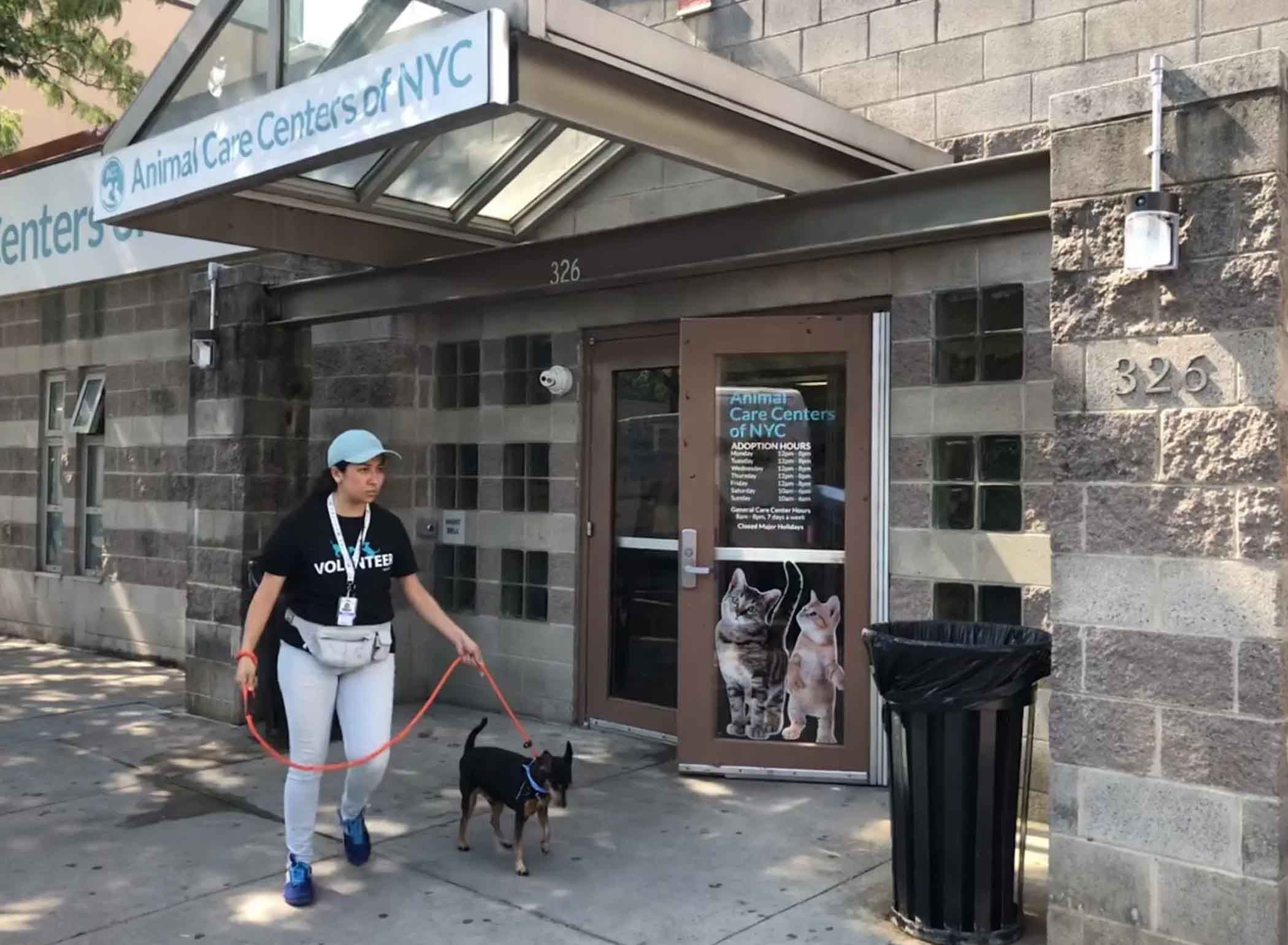
- Direct Animal Care: Volunteer at local shelters or with rescue organizations
- Disaster Response: Join national volunteer response teams
- Fostering: Provide temporary homes for animals awaiting adoption
- Professional Skills: Offer pro bono services in areas like marketing, IT, legal, or accounting
- Event Support: Help with fundraising events and adoption events
- Transport: Drive animals to veterinary appointments or adoption events
- Photography: Take professional-quality photos to help animals get adopted
Advocacy and Awareness
Using your voice to support animal welfare:
- Contact legislators about animal protection legislation
- Share animal welfare content on social media
- Report suspected animal cruelty to authorities
- Educate friends and family about responsible pet ownership
- Speak up when witnessing animal mistreatment
- Support businesses and practices that prioritize animal welfare
In-Kind Donations
Contributing needed supplies and materials:
- Pet food and treats
- Cleaning supplies and paper products
- Blankets, towels, and bedding
- Leashes, collars, and carriers
- Toys and enrichment items
- Office supplies and equipment
- Vehicles or equipment for organization use
Making Your Donation Count
Tax Considerations and Documentation
Maximizing tax benefits from charitable giving:
Understanding Tax Deductibility
- Verify organization's 501(c)(3) tax-exempt status
- Only donations to qualified organizations are tax-deductible
- Keep records of all donations for tax purposes
- Understand difference between deductible donations and non-deductible payments (like auction purchases)
- Special rules apply to different types of gifts (cash, securities, property)
Documentation Requirements
- Donations Under $250: Bank record or written acknowledgment from organization
- Donations $250-$500: Written acknowledgment from organization
- Donations Over $500: Written acknowledgment plus additional IRS forms
- Non-Cash Donations Over $5,000: Qualified appraisal required
- Vehicle Donations: Special documentation and valuation rules
Year-End Giving Considerations
- Donations must be postmarked or processed by December 31 for current tax year
- Credit card donations count when processed, not when paid
- Securities must be transferred to organization by year-end
- Check contributions must be mailed by December 31
- Consider "bunching" donations in high-income years for maximum tax benefit
Evaluating Organizations
Ensuring your donation is used effectively:
Research Organizations
- Review financial statements and annual reports
- Check ratings from charity evaluators like Charity Navigator or GuideStar
- Understand what percentage goes to programs versus administration and fundraising
- Research organization's impact and outcomes
- Verify transparency about use of funds
- Ensure alignment between your values and organization's mission and methods
Red Flags to Watch For
- High-pressure tactics or emotional manipulation
- Reluctance to provide detailed financial information
- Very high administrative or fundraising costs
- Lack of clear mission or program information
- Refusal to answer questions about how donations are used
- Suspicious payment methods or requests for cash
Designating Your Gift
Some organizations allow donors to direct gifts to specific programs:
Unrestricted Donations
- Provide maximum flexibility to address greatest needs
- Enable organizations to respond to emerging priorities
- Support essential infrastructure and capacity building
- Often most valuable to organizations
Restricted Donations
- Directed to specific programs or purposes
- Allow donors to support particular areas of interest
- Require organization to use funds only as specified
- May limit organizational flexibility
- Ensure designation aligns with organization's actual work
The Emotional Rewards of Giving
Connection and Purpose
Beyond tax benefits and practical impacts, giving provides emotional fulfillment:
- Sense of Purpose: Knowing your resources create positive change
- Connection to Cause: Feeling part of something larger than yourself
- Hope and Optimism: Taking action against problems that concern you
- Gratitude Expression: Giving back for blessings in your own life
- Legacy Creation: Building something that outlasts your lifetime
- Joy of Helping: The intrinsic satisfaction of assisting those in need
Involving Family in Giving
Charitable giving provides opportunities to teach values:
- Include children in donation decisions to teach philanthropy
- Make family giving traditions around holidays or birthdays
- Volunteer together at animal shelters or events
- Discuss why animal welfare matters to your family
- Create family legacy through planned giving that involves multiple generations
- Share updates about how donations make a difference
Staying Connected as a Donor
Communication and Updates
Good organizations keep donors informed about impact:
- Regular newsletters sharing program updates and success stories
- Annual reports detailing financial information and outcomes
- Specific stories about animals helped through donor support
- Invitations to events, tours, or volunteer opportunities
- Transparent communication about challenges and needs
- Opportunities to provide feedback and input
Recognition and Appreciation
While donors give from compassion, acknowledgment matters:
- Prompt, sincere thank-you communications
- Recognition appropriate to donor preferences (some prefer anonymity)
- Donor recognition programs or societies
- Personalized updates on impact of specific gifts
- Invitations to special events or experiences
- Respect for donor communication preferences
Make Your Gift Today: Your tax-deductible donation helps fight animal cruelty and makes a life-changing difference for animals across America. Whether one-time or monthly, every contribution saves lives and creates hope for vulnerable animals. Start making your impact today.
Questions About Giving? Contact the development or donor services team for assistance with any aspect of charitable giving. Professional staff can help you identify the giving approach that best matches your financial situation and philanthropic goals while maximizing your impact for animals.
Tax Advice Disclaimer: Information provided about tax benefits of charitable giving is general in nature. Always consult with qualified tax and legal advisors about your specific situation before making major gift decisions. Laws and regulations vary and change over time.
The Collective Power of Compassion
No single donor can solve all animal welfare challenges, but collectively, the compassion and generosity of thousands of supporters creates transformative change. Each donation—whether $10 or $10,000, whether one-time or recurring, whether during life or through planned gifts—contributes to a larger movement working to end animal suffering.
Your Role in the Solution
When you support animal welfare organizations financially, you become part of the solution to animal cruelty and neglect. You enable:
- Rescue operations that save animals from abuse
- Medical care that heals injured and sick animals
- Investigations that hold abusers accountable
- Legislation that strengthens animal protection
- Education that prevents future cruelty
- Programs that keep pets in loving homes
- Disaster response that protects animals during emergencies
A Future Without Cruelty
The ultimate goal is creating a future where all animals are treated with compassion and respect, where cruelty is rare and swiftly addressed, and where both owned pets and vulnerable animals live safe, healthy, happy lives. This vision requires sustained commitment and resources. Your generous support brings this vision closer to reality.
Conclusion: Every Gift Matters
Whether you make a one-time donation, commit to monthly giving, plan a legacy gift, or contribute in other ways, your support matters profoundly. Animals cannot advocate for themselves, donate to their own care, or create the systems that protect them. They depend entirely on the compassion and generosity of caring humans who recognize their intrinsic value and worth.
For over 150 years, dedicated work has fought to end animal abuse and neglect. This work continues today, powered by the donations of kindhearted supporters who refuse to accept animal suffering. Your contribution—whatever form it takes—helps write the next chapter of this ongoing story of compassion, rescue, protection, and hope.
Thank you for considering a donation to support animal welfare. Together, we can make a life-changing difference for animals across America.





0 Comments